


Expert Pest Control Solutions for Hornet & Wasp Nest Removal

DID YOU KNOW?
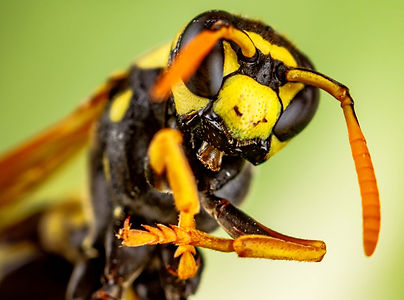
Wasps and Hornets
There are over 9,000 species of wasps in the UK alone – but only a few are the ones that commonly bother people in gardens and homes.
Wasps are natural pest controllers – they feed on flies, caterpillars, and other insects, helping keep populations down.
They live in colonies – a single wasp nest can house anywhere from a few hundred to several thousand wasps.
Nests grow quickly – starting off the size of a golf ball in spring, a wasp nest can grow as large as a football by late summer.
They don’t reuse nests – wasp nests die off in winter, and new queens build fresh nests the following spring.
Stings can be dangerous – unlike bees, wasps can sting multiple times, and for some people, stings can trigger severe allergic reactions.
They’re most aggressive in late summer – as the colony breaks down and food becomes scarce, wasps turn to sweeter foods and become more likely to sting.
Queens hibernate – fertilised queens hide away during the winter months, ready to start a new colony when spring arrives.
They build with chewed wood – wasps scrape wood fibres from fences, sheds, or garden furniture, mixing it with saliva to create their papery nest walls.
Wasps are important pollinators too – while not as efficient as bees, many plants benefit from wasps transferring pollen.
Expert Commercial & Domestic Wasps Nest Removal in Dorset
The Importance of Professional Wasp Control

Hornet & Wasp Nest Removal
Contracts & Regular Visits

RECENT
Wasp Nest Removal


Frequently asked questions
Q: How do I know if I have a hornet or wasps nest?
A: You may see a lot of wasp activity around one spot, such as under roof eaves, in a shed, loft, wall cavity, or even underground. A wasps nest often looks like grey papery material and can grow quickly through the summer.
Q: Is it dangerous to remove a wasp nest myself?
A: Yes. Wasps can become aggressive if their nest is disturbed, leading to multiple painful stings. For safety, nests should always be treated by a professional with the right equipment and protective clothing.
Q: Will wasps come back after treatment?
A: Once a nest is treated properly, it will not be reused. However, new queens can build fresh nests in the following spring, which is why professional advice on prevention is useful.
Q: Are wasps useful for anything?
A: Yes – wasps help control other insects like flies, caterpillars, and spiders, and they can even pollinate plants. But when they build nests near people, they become a serious safety risk.
Q: What time of year are wasps most aggressive?
A: Late summer (August–September) is when wasps are most aggressive. Their natural food sources run low, and they’re drawn to sugary drinks, fruit, and food around homes and gardens.
Q: How quick is a wasps nest removal?
A: Most professional treatments take less than an hour, and the nest is usually inactive within 24–48 hours.


Contact Us
Contact our team at All Gone Pest Control today for a free pest removal quote.


HORNET & WASPS NEST REMOVAL SERVICE
from Boscombe Pier to Poole Quay
Bournemouth, Poole, Christchurch, Ferndown, West Parley, Southbourne, Boscombe, New Milton, New Forest, Verwood, Ringwood, Springbourne,